
HVAC Installation & Replacement in Grapevine, TX
HVAC Installation & AC Replacement in North Texas | Grapevine & DFW
Not Every Home Needs a Bigger System
Most HVAC companies size systems based on square footage alone. We perform comprehensive Manual J load calculations that account for your home's actual heat gain and loss—including insulation values, window area and orientation, duct leakage, and local climate data specific to North Texas.
This engineering-based approach ensures your system is right-sized for your home's actual needs, delivering optimal comfort and efficiency. Oversized systems short-cycle, waste energy, and fail to dehumidify properly. Undersized systems run constantly and never reach comfort. We get it right.
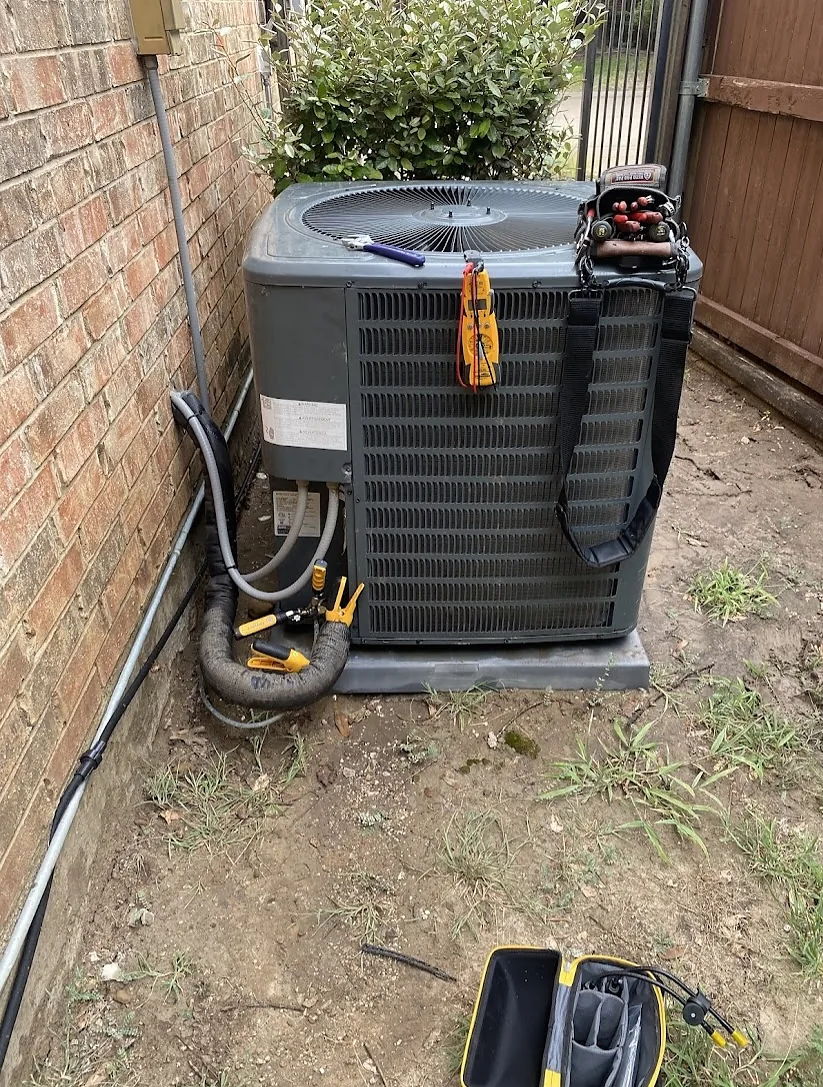
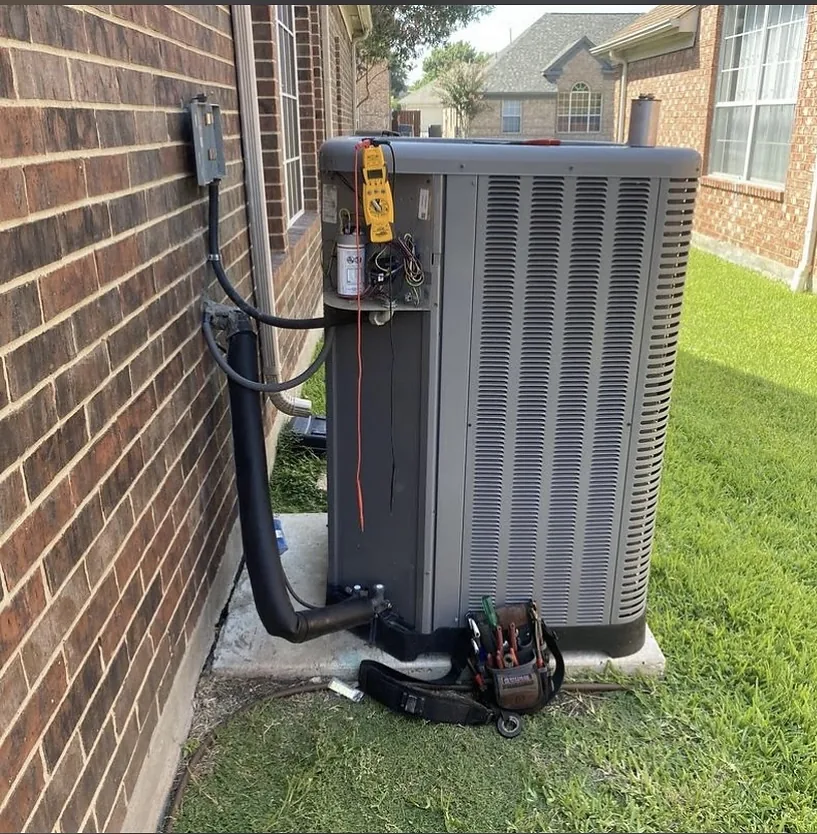
North Texas HVAC Installation Authority Backed by 28+ Years of HVAC Experience
Too Cool Air has been installing HVAC systems across Grapevine, Southlake, Colleyville, and surrounding North Texas communities for 28+ years. We understand the unique challenges of this region—extreme heat, high humidity, and the specific requirements of homes built for DFW conditions.
Related Systems & Guides
The engineering behind this service, explained for homeowners.
How Much Does This Service Cost in North Texas?
Published prices are planning ranges for standard residential projects. Final pricing depends on equipment capacity, efficiency, installation conditions, accessibility, electrical requirements and the approved scope of work. Too Cool Air provides the final written price before work begins.
Benefits
- Engineering-based system sizing using Manual J load calculations—not square footage guesses
- Authorized Amana/Goodman dealer with manufacturer-backed warranties
- Complete ductwork evaluation and modification included with every installation
- 28+ years installing HVAC systems designed for North Texas extreme heat
- Post-installation performance testing to verify proper operation
Our Process
Schedule your in-home consultation at a time that works
We perform Manual J load calculation and full home assessment
Receive detailed proposal with system options and pricing
Professional installation by our licensed technicians
Post-installation testing and system commissioning
Signs Replacement May Actually Be Necessary
Replacement is the right call when the numbers stop working in your favor — not simply because a system is old. These are the conditions that genuinely justify a new system in a North Texas home:
- A failed compressor or a leaking evaporator coil on a system outside its parts warranty
- R-22 equipment with an active refrigerant leak, where recharging costs more than the repair is worth
- Repeated repairs in consecutive seasons whose combined cost approaches a large share of replacement
- A heat exchanger crack confirmed by inspection — a safety condition, not an efficiency one
- Equipment that is genuinely undersized or oversized for the measured load, causing permanent comfort problems
- Rust, corrosion, or cabinet failure that prevents a proper, sealed repair
When Repairing the Existing System Is Smarter
Plenty of systems we're called to replace do not need replacing. If the equipment is mechanically sound and the real limitation is airflow, duct leakage, or attic heat gain, a new condenser will not fix the complaint — it will just be a more expensive version of the same problem.
A failed capacitor, contactor, blower motor, control board, or a repairable leak in an otherwise healthy system is normally worth repairing. So is a system that struggles only because static pressure is high or return air is undersized. We measure first and tell you which situation you're actually in.
Manual J Load Calculation
A Manual J load calculation determines how much heat your home actually gains and loses, room by room. It accounts for orientation, window area and glazing, wall and attic insulation, infiltration, duct location and leakage, and DFW design temperatures — not a rule-of-thumb tons-per-square-foot number.
This matters most for humidity. An oversized system satisfies the thermostat quickly, shuts off before it removes moisture, and leaves a house that is cold and clammy. Right-sizing produces longer, steadier run times and better dehumidification.
Manual S Equipment Selection
Manual S takes the load from Manual J and matches it to real equipment performance data at our local design conditions — expanded ratings for sensible and latent capacity, not the nameplate tonnage. Two 4-ton systems can behave very differently in August in Grapevine. Manual S is how we choose the one that fits your load and moisture removal needs.
Manual D Duct Evaluation
New equipment inherits your existing duct system. If the trunk, returns, or flex runs cannot carry the required airflow, the new system will run at high static pressure from day one and never deliver its rated capacity.
Before we quote a system, we evaluate duct sizing against Manual D, measure static pressure, and identify undersized returns, crushed flex, and leaking connections. Any duct work required is included in the written scope — never discovered mid-install.
AC, Heat Pump, and Dual-Fuel Options
North Texas suits all three. A straight AC with a gas furnace remains the most common configuration and heats reliably during hard freezes. A heat pump handles the vast majority of our mild winter hours efficiently and uses one piece of equipment for both seasons.
A dual-fuel system pairs a heat pump with a gas furnace and switches to gas below a set balance point. Which one is right depends on your gas availability, electrical service, the home and your priorities. Before selecting equipment, review why installed heat-pump performance depends on sizing, airflow and commissioning.
Single-Stage vs. Two-Stage and Variable-Speed
Single-stage equipment runs at full output whenever it runs. It is the least expensive option and works well in a home with a well-matched load and good ductwork.
Two-stage and variable-speed systems run longer at lower capacity, which improves humidity control, temperature evenness between rooms, and noise. They cost more up front and require correct duct design and thermostat wiring to deliver those benefits — installed on undersized ductwork, they simply cost more.
Humidity and Airflow Considerations
Comfort in Texas is a moisture problem as much as a temperature problem. Target airflow is roughly 350–400 CFM per ton for humid climates — pushing toward 450 raises sensible capacity but removes less moisture.
We set blower speed to the design airflow, verify temperature split, and confirm indoor humidity lands in the 45–55% range. Where the load and lifestyle call for it, we discuss a whole-home dehumidifier rather than oversizing the AC to chase humidity.
Electrical and Thermostat Requirements
Replacements frequently change electrical requirements: breaker and whip sizing, disconnect condition, correct wire gauge, and surge protection for inverter-driven equipment. Heat pumps and dual-fuel systems also need adequate capacity for auxiliary heat.
Communicating and variable-speed systems generally require their own matched thermostat and, in a dual-fuel setup, an outdoor sensor for balance-point control. We confirm all of this before installation day so nothing stalls mid-job.
Permits and Code Compliance
Equipment change-outs require a mechanical permit in Grapevine and the surrounding Mid-Cities, and inspection requirements vary by jurisdiction. We pull the permit, perform the work to current code, and meet the inspector. Licensed TACLB50985E.
Installation Timeline
A straight change-out of a matched system is typically one day. Adding duct modifications, a new line set, an attic platform, electrical upgrades, or a zoning system usually extends the job to two days.
We give you the expected schedule in the proposal, along with what we need from you — attic access, pets secured, and a clear path to the equipment.
Manufacturer and Workmanship Warranties
Equipment carries the manufacturer's parts warranty, which generally requires registration after installation — we handle that for you. Compressors and heat exchangers typically carry longer terms than other components.
Our own workmanship warranty covers the quality of the installation itself. Both warranties, with their actual terms and exclusions, are written into your proposal so you can read them before you sign.
Financing Availability
When financing is available with approved credit, we show monthly payment options alongside the cash price so the comparison is honest. We do not use financing as a pressure tactic or a way to disguise the total cost of the system.
Startup and Commissioning
Commissioning is where an installation is either finished or merely assembled. After startup we evacuate the line set to a verified vacuum, weigh in the correct charge for the line length, and confirm charge by superheat or subcooling depending on the metering device.
We then set blower airflow, verify the control sequence and defrost operation, check safety switches and the condensate path, and walk you through thermostat operation and filter access before we leave.
Post-Installation Airflow and Static-Pressure Verification
Before the job is closed out we measure total external static pressure, supply and return static, airflow, temperature split, and indoor humidity — the same measurements we take during a Comfort Audit.
You receive those numbers in writing. If a reading is out of range, we correct it before we consider the installation complete rather than discovering it on the first 105°F afternoon.
Questions to Ask Before Accepting Any Proposal
- Did you perform a Manual J load calculation on my home, and may I see it?
- How did you select this specific model — what does the Manual S expanded performance data show at our design conditions?
- What is my current total external static pressure, and what will it be with the new equipment?
- Are duct modifications included in this price, or will they be an added cost later?
- What airflow (CFM per ton) will the system be set to, and what indoor humidity should I expect?
- Who pulls the permit, and which inspections apply?
- What exactly does the manufacturer warranty cover, what does the workmanship warranty cover, and for how long?
- What measurements will you document at commissioning, and will I get a copy?
What Our Clients Say
Our reviews live on our public Google Business Profile, where every rating comes from a verified customer.
Read Our Verified Google ReviewsHVAC Service FAQs
Get answers about our HVAC services in Grapevine & DFW
Related Services You Might Need
Technical Sources
- Air Conditioning Contractors of America (ACCA) — Residential Technical Toolbox (Manual J, D and S guidance)
- Air Conditioning Contractors of America (ACCA) — Manual S — Residential Equipment Selection
- ENERGY STAR — HVAC Quality Installation
- AHRI — AHRI Directory of Certified Product Performance
These references provide general industry, regulatory and public-health guidance. Their inclusion does not imply endorsement of Too Cool Air.
Too Cool Air is based in Grapevine, TX. See HVAC services in Grapevine or browse the full service areas.
Ready to Solve Your HVAC Installation Needs?
Schedule your service today. 28+ years of honest, diagnostic-first HVAC service.